
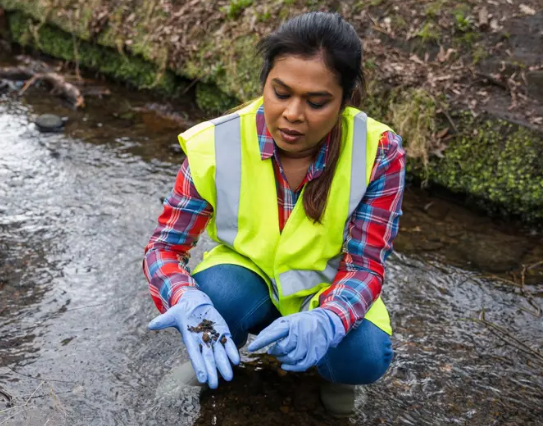
The UK government has launched a national plan to address growing concerns around PFAS, often called “forever chemicals”, which persist in the environment and have been linked to potential health risks. Widely used for their waterproof and oil-resistant properties in products ranging from clothing to cookware, these chemicals accumulate in ecosystems and the human body because they do not easily break down.
As part of the new plan, the UK will increase environmental testing, identify contamination hotspots, and work with industry to reduce the use of harmful PFAS while exploring safer alternatives. The government also aims to align more closely with upcoming EU regulations by 2029, which could restrict most non-essential uses of the chemicals.
For many industries, however, replacing PFAS remains technically challenging. Jun Kamei, Amphico CEO, highlighted the complexity of developing alternatives, noting that PFAS are “a very functional, versatile chemistry so replacing them is a lot of hard work from a technical perspective.” He added that creating viable PFAS-free textile solutions can take years of research and development, but is “a hard problem worth tackling.”
While the government’s plan has been welcomed as a step forward, environmental groups and industry stakeholders continue to debate how quickly stricter regulation should be introduced.
.svg)